
Where to buy property in Bali in 2026 depends on who you are, not on league tables. Short-let investors target Canggu and Uluwatu, stability buyers and retirees target Sanur, culture-led lifestyle buyers target Ubud, and families cluster near international schools. Match the area to your buyer type first, then verify title, zoning and developer.
Key takeaways
- Bali is several distinct markets: nomad-driven Canggu, surf-and-cliff Uluwatu, resort-zone Nusa Dua, town-life Sanur, inland Ubud, budget north and east.
- Demand keeps rising: BPS Bali counted 6.9 million foreign arrivals in 2025, up 9.7% on 2024.
- Reference pricing: Sanur freehold villas near the beach run roughly USD 300-800K, leasehold entries from ~USD 175K (July 2026 listings).
- Foreigners buy via leasehold, Hak Pakai or PT PMA with HGB. Freehold and nominee routes are off the table.
- Budget roughly 5% BPHTB transfer tax as buyer, plus VAT of around 11-12% on new developer builds, per PwC's Indonesia tax summaries.
How should you decide where to buy in Bali?
Start with your buyer type, because each Bali district was shaped by a different customer and punishes mismatches. A villa perfect for Instagramming nomads in Canggu makes a poor retirement home, and a calm Sanur apartment will not out-earn a party-zone short let in peak season.
Four buyer types cover most readers: the yield investor (cares about occupancy and net return), the retiree or long-stay resident (cares about healthcare, walkability, community), the family (cares about schools and safety), and the part-year lifestyle owner (cares about lock-up-and-leave practicality plus rental income while away). Decide which you are, honestly, before looking at a single listing. If you sit in the retiree camp, our ranked guide to Bali's best areas for retirees scores this in detail.
Which Bali area suits which buyer in 2026?
The matrix below is the short answer. Every area gets a fair verdict: each is the right answer for somebody and the wrong answer for somebody else.
| Area | Best for | Wrong for | 2026 verdict |
|---|---|---|---|
| Canggu / Berawa | Short-let investors, nomad landlords | Retirees, calm seekers | Deep short-stay demand, heavy new supply and traffic; underwrite conservatively |
| Seminyak / Petitenget | Hospitality buyers, restaurant-lifestyle owners | Noise-sensitive residents | Mature, expensive, holiday-driven; established but little quiet |
| Uluwatu / Bukit | Surf and view-led buyers, boutique villas | Non-drivers, older residents | Spectacular cliff product; car-dependent with infrastructure gaps |
| Nusa Dua / Benoa | Resort-style holiday-home buyers | Everyday-living buyers | Gated polish, thin residential stock, limited town life |
| Sanur | Retirees, long-stay residents, stability investors | Nightlife seekers, surfers | Hospital, promenade, settled community; the stability trade |
| Ubud | Culture-led lifestyle buyers, wellness operators | Beach-first buyers, the mobility-limited | Green, characterful, good value; far from major hospitals |
| Candidasa / East | Budget retirees, escape artists | Anyone needing services close | Peace and value, an hour-plus from big-city healthcare |
| Lovina / North | Value hunters, pioneers | Yield investors, medical-priority buyers | Cheapest entry on the island; longest distances |
What is actually happening in the south versus the east?
The south (Canggu, Seminyak, Uluwatu) runs on holiday and nomad demand; the east (Sanur and beyond) runs on residents and infrastructure. Both stories are real, and they reward different investors.
Southern growth is demand-led and crowded: more arrivals, more listings, more competition for the same guest. Sanur's story is state-led. KEK Sanur, Indonesia's first health special economic zone, covers 41.26 hectares with around USD 620 million in projected investment under Government Regulation 41 of 2022, and Bali International Hospital opened there on 25 June 2025. That is infrastructure spending most Bali districts never receive, and it recruits long-stay tenants rather than weekend guests. Agents advertise 7 to 10% gross yields for well-located Sanur villas; treat gross figures with caution and model net. For a data-led head-to-head, see the Sanur vs Canggu investment numbers and the quarterly Sanur market trends report.
What can foreigners legally buy in any of these areas?
The same three structures apply island-wide. Foreigners cannot hold freehold (Hak Milik), and nominee arrangements, where an Indonesian holds title on your behalf, are illegal and unenforceable. Anyone marketing them to you is selling you a lawsuit.
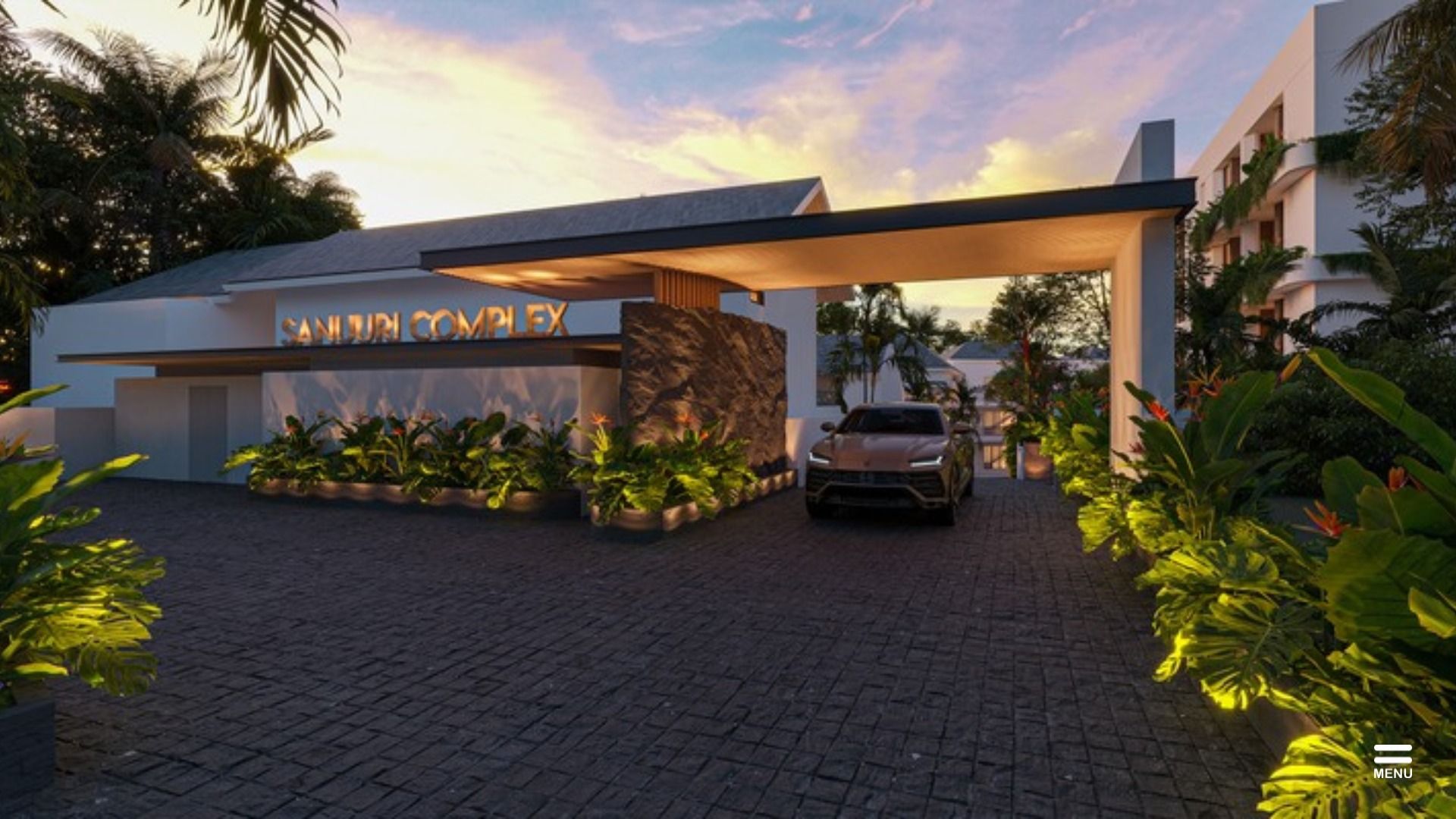
The legitimate routes: leasehold (Hak Sewa), the standard contractual route needing no visa; Hak Pakai (Right to Use) title for individuals holding a KITAS or KITAP, running 30 years and extendable to 80 in total; and a PT PMA foreign-owned company holding HGB (Right to Build) title, suited to rental-business operators, also reaching roughly 80 years. Lease length is where areas differ in practice: typical Sanur leaseholds run 25 to 30 years with negotiated extensions, while Sanuuri Residences offers a 50-year leasehold, materially longer than the local norm. The trade-offs are unpacked in leasehold vs freehold in Bali and the step-by-step foreigner's buying guide.
What will it cost, beyond the headline price?
Budget the transaction costs before falling for a listing. Per PwC's Indonesia tax summaries, the buyer pays BPHTB transfer tax of 5% of assessed value on titled transfers, the seller owes 2.5% final income tax, and new builds bought from developers attract VAT of around 11 to 12%. Annual PBB land and building tax is capped at 0.5% of assessed value and typically works out nearer 0.1 to 0.3%, small in practice.
On the price itself, the island is a gradient. July 2026 listings put Sanur freehold villas near the beach at roughly USD 300,000 to 800,000 with leasehold entries from about USD 175,000; comparable southern hotspot product generally prices higher per square metre, while the east and north price lower. Wherever you buy, the discipline is identical: verify the title certificate, check zoning (ITR), confirm the PBG building permit, and vet the developer's delivery record before money moves.
Which red flags apply in every area?
The same five failure modes recur island-wide, and no district is immune. One: title problems, where the seller's certificate does not match the land office record, or the land is inherited and not all heirs have signed. Two: zoning, where the plot sits in a green belt or tourism-restricted zone under the local ITR spatial plan, making legal rental operation impossible. Three: missing building approval, the PBG permit that replaced the old IMB, without which a building is formally illegal however finished it looks.
Four: developer risk on off-plan purchases, where your protection is the developer's delivery record, the payment milestone structure and what the contract says happens if handover slips. Five: the nominee trap, usually pitched hardest in the hotspots where freehold land is scarcest. A competent notaris (PPAT) and an independent lawyer, not the seller's, are the cheap insurance against all five. None of this should scare you off; it should simply set the order of operations, because paperwork verified before payment is a formality, and paperwork discovered after payment is a dispute.
So where should you buy?
Buy where your actual life or business plan points, not where the loudest marketing does. Yield-first with high risk tolerance: Canggu or Uluwatu, underwritten on net numbers. Culture and greenery: Ubud. Maximum budget stretch: the east or north, with eyes open about distances. Living in Bali for real, or wanting tenants who stay months rather than nights: Sanur is the area purpose-built for you, and it is where we chose to build.
Frequently asked questions
Where is the best place to buy property in Bali in 2026?
There is no single best place, only a best place per buyer. Canggu and Uluwatu suit short-let investors chasing nomad and surf demand, Sanur suits retirees and stability-focused owners, Ubud suits lifestyle buyers wanting culture and greenery, and Umalas or Sanur suit families near international schools.
Can foreigners buy freehold property in Bali?
No. Freehold (Hak Milik) is reserved for Indonesian citizens, and nominee arrangements are illegal and unenforceable. Foreigners buy through leasehold (Hak Sewa), through Hak Pakai title if they hold a KITAS or KITAP, or through a PT PMA company holding HGB title for a rental business.
How much does property cost in Bali in 2026?
It varies widely by area and tenure. As a reference point, July 2026 listings show Sanur freehold villas near the beach at roughly USD 300,000 to 800,000, with leasehold entries from about USD 175,000. Southern hotspots price similar quality higher; the north and east price lower.
What extra costs come with buying property in Bali?
Per PwC's Indonesia tax summaries, buyers pay BPHTB transfer tax of 5% of assessed value on titled transactions, sellers pay 2.5% final income tax, and new builds from developers attract VAT of around 11 to 12%. Add notary fees, legal due diligence and annual PBB land and building tax, which is small in practice.
Sources
- BPS Bali (Badan Pusat Statistik Provinsi Bali), foreign arrivals data, 2025-2026
- PwC Indonesia tax summaries, 2026
- Government Regulation 41 of 2022, KEK Sanur health special economic zone
- Bali International Hospital opening, 25 June 2025 (Presidential inauguration)
- Bali property listings survey, July 2026