
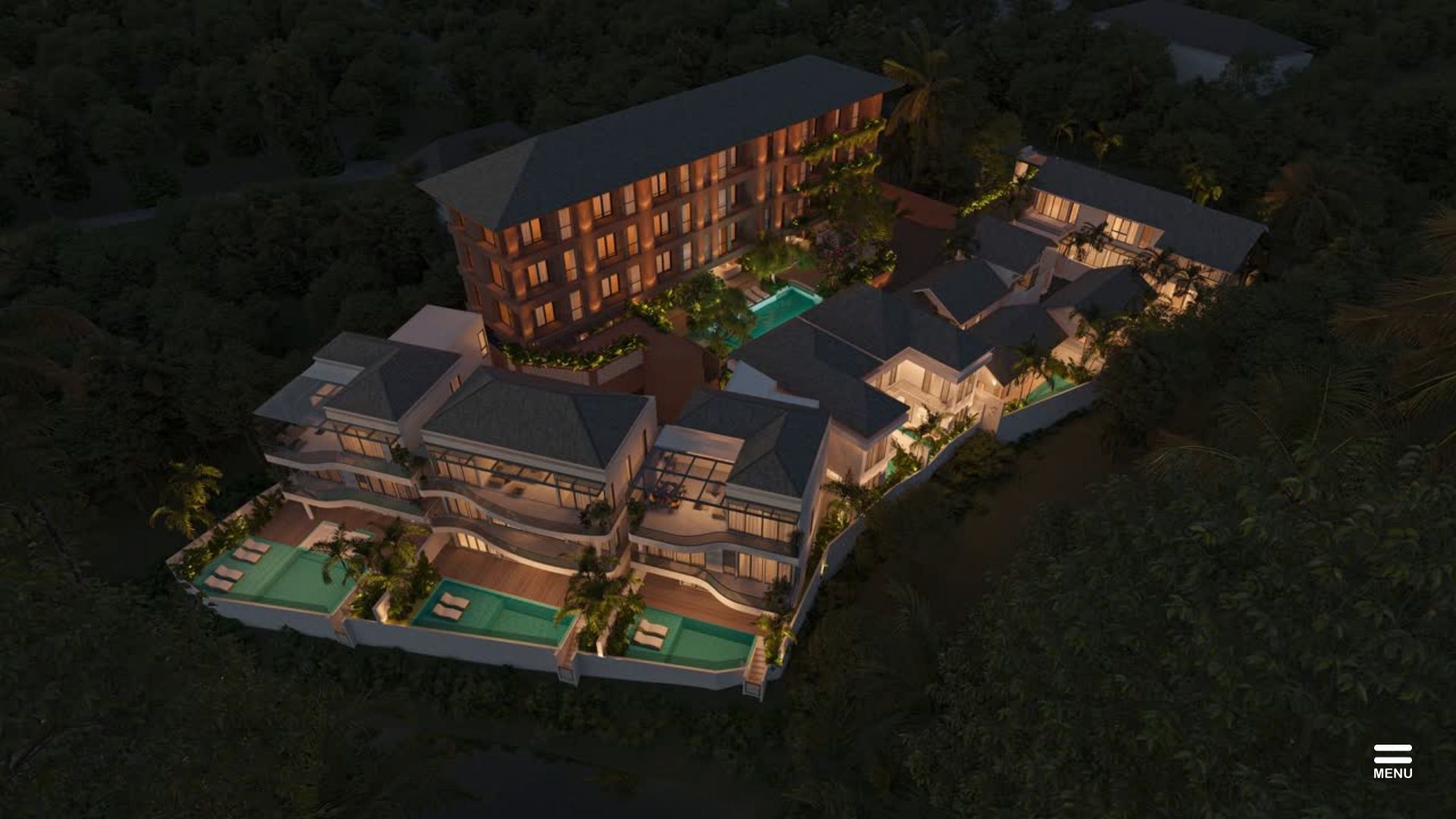
Canggu advertises higher gross yields; Sanur usually defends its returns better. Canggu is a short-let market exposed to seasonality, heavy new supply and rising costs, while Sanur runs on long-stay tenants, state health-zone investment and scarcer stock. Risk-adjusted, on net numbers rather than listing headlines, Sanur is the stronger hold for most private investors.
Key takeaways
- Agents advertise 7-10% gross yields for well-located Sanur villas; Canggu listings often promote higher, sometimes double-digit, headline figures. Model net, not gross.
- Per PwC's Indonesia tax summaries, non-residents pay 20% final withholding on gross rent (10% for tax residents), which alone reshapes any yield claim.
- Canggu's risk is supply and seasonality; Sanur's demand is anchored by the USD 620 million KEK Sanur health zone and Bali International Hospital, open since 25 June 2025.
- Tenant profiles differ completely: nightly guests in Canggu, tenants staying months or years in Sanur.
- Bali demand overall is strong: 6.9 million foreign arrivals in 2025, up 9.7%, per BPS Bali.
What yields do agents actually advertise in each market?
For Sanur, agents advertise 7 to 10% gross yields on well-located villas. For Canggu, listing agents frequently promote higher headline figures, often into double digits. Both numbers are marketing claims, not audited results, and neither is what lands in your account.
The honest framing: advertised gross yield is a sales instrument. It typically assumes strong occupancy, peak-season pricing and, in some cases, ignores management fees, tax and void periods entirely. Whichever area you prefer, treat gross figures with caution and model net. Our guide to Bali rental yields walks through the full gross-to-net waterfall line by line.
How does gross become net?
Four deductions do most of the damage: management, tax, vacancy and upkeep. They hit the two markets differently, and they hit short-let models hardest.
Tax first, because it is the firmest number. Per PwC's Indonesia tax summaries, non-resident owners pay a 20% final withholding tax on gross rent (tax treaties can reduce this), while tax residents spending 183 or more days in Indonesia pay a 10% final tax on gross rent. Then management: full-service short-let operation in Canggu, with nightly turnovers, listings, cleaning and guest handling, costs meaningfully more than managing a tenant on a twelve-month lease. Then vacancy: nightly bookings swing with seasons and flight prices; a long-stay tenant who renews removes the problem for a year at a time. A villa advertised at 10% gross can land in the low-to-mid single digits net; the discipline is running that arithmetic before you buy, not after.
A neutral illustration, arithmetic rather than a market claim. Take a USD 300,000 villa advertised at 8% gross, so USD 24,000 of rent in a full year. A non-resident owner loses USD 4,800 to the 20% withholding immediately. Deduct a management fee, then assume the property sits empty one month in twelve, and rental income is near USD 15,000 before maintenance, utilities during voids and repairs. That is 5% net on a good year, from an 8% headline, with nothing going wrong. Now rerun it with short-let economics: higher management percentage, cleaning and platform fees per booking, and occupancy that swings with the season. The same headline number degrades faster. This is why the Sanur-versus-Canggu question cannot be settled by comparing two advertised percentages: the model behind the percentage matters more than the percentage.
What about occupancy volatility and oversupply?
This is Canggu's structural weakness. The area's construction boom means each new villa competes for the same short-stay guest, and oversupply is the caution agents and market commentators most often attach to the district. Sanur's pipeline is thinner, and its demand base does not check out on Sunday.
To be fair to Canggu: the demand side is genuinely strong. BPS Bali recorded 6.9 million foreign arrivals in 2025, up 9.7% on 6.33 million in 2024, and Canggu captures an outsized share of the young, high-spending segment. The question is not whether guests come, it is how many near-identical villas split them. Sanur's demand is anchored differently: KEK Sanur, Indonesia's first health special economic zone, spans 41.26 hectares with around USD 620 million in projected investment under Government Regulation 41 of 2022, and Bali International Hospital opened on 25 June 2025. Hospitals recruit staff, patients and families who need housing for months, in every season. That is the thesis unpacked in why stability beats hype in Bali property.
Who is your tenant in each market?
In Canggu, your tenant is a guest: a surfer, a remote worker on a visa run, a couple on holiday, booking nights and rating your wifi. In Sanur, your tenant is a resident: a retired couple renting for a year before buying, hospital-linked professionals, families near Bali Island School, and northern-hemisphere owners wintering from November to March.
Tenant profile drives everything investors care about: booking length, wear and tear, management intensity, and how your income behaves in a weak tourism quarter. Australians remain Bali's largest source market at roughly 1.63 million arrivals in 2025 per BPS Bali, and the over-60 slice of that market rents for months, not nights, overwhelmingly in areas like Sanur. The long-stay maths is set out in long-term rentals vs holiday lets. One more practical difference: a long-stay tenant usually pays utilities and treats the property as a home, while short-let guests consume linen, furniture and appliances at hotel rates, a line item advertised yields never mention.
Sanur vs Canggu: the numbers side by side
| Metric | Sanur | Canggu |
|---|---|---|
| Advertised gross yields | 7-10% (agent-advertised, well-located villas) | Often higher headlines, frequently double-digit (agent-advertised) |
| Dominant rental model | Long-stay leases, months to years | Short lets, nightly to weekly |
| Occupancy behaviour | Steadier, renewal-driven | Seasonal, booking-platform driven |
| New supply pressure | Moderate, limited pipeline | Heavy, sustained construction boom |
| Demand anchor | KEK Sanur health zone (~USD 620M projected), hospital, schools | Tourism and nomad inflows |
| Entry pricing (July 2026 listings) | Freehold villas ~USD 300-800K near beach; leasehold from ~USD 175K | Generally higher per m² for comparable new stock |
| Rental tax (both areas) | 20% final withholding on gross rent for non-residents, 10% for tax residents, per PwC | |
| Management intensity | Low to moderate | High: turnovers, guest ops, platform fees |
What about capital values and exit?
Exit is where tenant depth matters twice. A Sanur property sells into a pool of retirees and long-stay buyers who purchase for use, a buyer base that BPS Bali's arrival trends suggest keeps deepening. A Canggu short-let villa sells to another investor, so its price moves with sentiment about future yields, the same sentiment that inflated the headline figures on the way in.
Tenure mechanics matter too. Typical Sanur leaseholds run 25 to 30 years; a longer term protects resale value because the next buyer inherits more years. Sanuuri Residences' 50-year leasehold is materially longer than the Sanur norm, which is a deliberate exit-value decision, not a marketing flourish. For the lifestyle-and-character side of this comparison, read Sanur vs Canggu: where should you buy, and for quarterly price and supply data, the Sanur market trends report.
Frequently asked questions
Are yields higher in Canggu or Sanur?
Advertised gross yields are usually higher in Canggu, where listing agents often promote double-digit figures against 7 to 10% advertised for well-located Sanur villas. Advertised gross is not earned net. Canggu's short-let model carries higher management costs, seasonality and heavier new supply, so the net gap is far narrower than headlines suggest.
Is Canggu oversupplied with villas?
Supply risk is the most common caution agents and market commentators raise about Canggu, where construction has been intense for years and new villas compete for the same short-stay guest. Nobody publishes a definitive vacancy count, so treat any precise occupancy claim sceptically and stress-test your assumptions.
How is rental income from Bali property taxed?
Per PwC's Indonesia tax summaries, non-residents pay a 20% final withholding tax on gross rent, which tax treaties can reduce, while Indonesian tax residents who spend 183 days or more in the country pay a 10% final tax on gross rent. This applies equally in Sanur and Canggu and belongs in every yield model.
Who rents property long term in Sanur?
Sanur's long-stay tenants include retirees renting before they buy, medical professionals and staff connected to the KEK Sanur health zone and Bali International Hospital, families near Bali Island School, and part-year residents escaping northern winters. These tenants book months or years rather than nights.
Sources
- BPS Bali (Badan Pusat Statistik Provinsi Bali), foreign arrivals data, 2025-2026
- PwC Indonesia tax summaries, 2026
- Government Regulation 41 of 2022, KEK Sanur health special economic zone
- Bali International Hospital opening, 25 June 2025 (Presidential inauguration)
- Sanur and Canggu property listings survey, July 2026