
The Sanur property market in 2026 is shaped by three forces: record tourism, the maturing KEK Sanur health zone around Bali International Hospital, and limited supply in a low-rise town that cannot sprawl. Freehold villas near the beach list at roughly USD 300,000 to 800,000, with leasehold entries from about USD 175,000.
Key takeaways
- July 2026 listings: freehold beach-area villas USD 300,000 to 800,000; leasehold entries from roughly USD 175,000.
- Bali took 6.9 million foreign arrivals in 2025, up 9.7 percent on 2024, per BPS Bali; Australians led at about 1.63 million.
- KEK Sanur: 41.26 hectares, ~USD 620 million projected investment, hospital open since 25 June 2025.
- Sanur's supply pipeline is thin compared with Canggu and Uluwatu; the town is hemmed in by the bypass and the coast.
- Watch leasehold term lengths: much resale stock carries 25 to 30 year terms, which caps value.
What is driving the Sanur market in 2026?
Demand is arriving from three directions at once: tourism at record levels, a state-backed medical district hiring and treating in the middle of town, and a demographic wave of retirees and part-year residents who want walkable, hospital-adjacent housing. Supply is not keeping pace, because central Sanur has little room left to build.
The tourism baseline is the strongest it has ever been. BPS Bali recorded 6.9 million foreign arrivals in 2025, up 9.7 percent on the 6.33 million of 2024, with Australians the largest source market at roughly 1.63 million. Tourism does not directly set Sanur's residential prices, but it feeds the pipeline: long-stay visitors become renters, renters become buyers. The structural story, though, is the health zone, and it is the reason Sanur's 2026 market narrative differs from every previous cycle, as we argued in the complete Sanur property investment guide.
What do Sanur properties cost right now?
Per July 2026 listings, freehold villas near Sanur beach ask roughly USD 300,000 to 800,000, and leasehold entry points start around USD 175,000. Managed-complex apartments and lofts open below standalone villa pricing. Quoted prices exclude the roughly 5 to 10 percent in taxes and fees a buyer should budget on top.
| Segment | Tenure | Indicative asking range | Market note |
|---|---|---|---|
| Villa near the beach | Freehold (Hak Milik) | USD 300,000 to 800,000 | Freehold is closed to foreign individuals; this stock trades among Indonesians and company structures |
| Villa, established streets | Leasehold (Hak Sewa) | From roughly USD 175,000 | Most resale terms run 25 to 30 years; remaining term drives price |
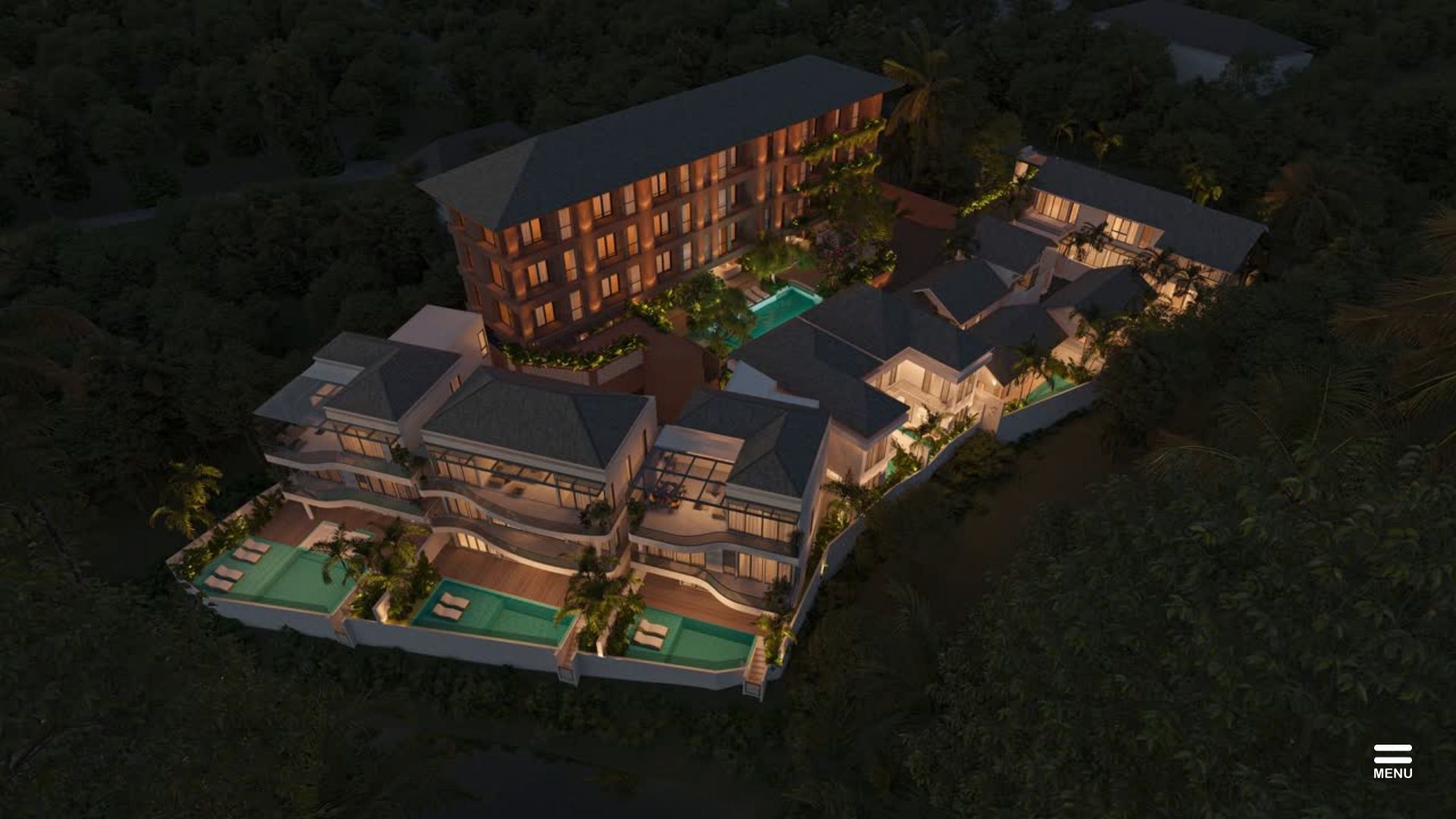
| Apartment or loft, managed complex | Leasehold, strata via Hak Pakai for residents | Below standalone villa pricing | The growing entry segment; Sanuuri sells on a 50-year leasehold, longer than the Sanur norm |
The number buyers most often misread is not the price but the term. A leasehold villa at a tempting figure with 22 years remaining is a depreciating asset unless the extension is priced and contracted; a 50-year term on a comparable building is a different investment entirely. On a like-for-like basis, term length should move valuation more than an extra bathroom does.
Read asking prices with a discount in mind as well. Bali has no public transaction register of the kind Australian or British buyers are used to, so listed figures are opening positions, and the spread between asking and agreed prices widens on stock that has sat unsold through a season. A local notary, or a developer who publishes its actual sale terms, is a better guide to real market levels than portal listings alone.
How is the KEK Sanur health zone affecting demand?
KEK Sanur has converted Sanur from a lifestyle choice into an infrastructure story. The 41.26-hectare zone carries roughly USD 620 million in projected investment under Government Regulation 41 of 2022, and its anchor, Bali International Hospital, opened on 25 June 2025, inaugurated by President Prabowo.
The demand effects arrive in layers. First, construction and then operations bring a salaried professional workforce needing homes within a short commute. Second, medical travellers and accompanying families rent serviced and monthly accommodation around the zone. Third, and slowest but largest, the hospital removes the single biggest objection older buyers had to Bali: distance from serious healthcare. A 64-year-old weighing Sanur against the Gold Coast or the Algarve now finds an international hospital eight minutes from the promenade. The zone's full story, and what remains under construction, is in our explainer on the Bali International Hospital and Sanur's health SEZ. The honest caveat: special economic zones can lag their press releases, so track openings and hiring, not renders.
What is happening with supply?
Sanur's pipeline is structurally thin. The town is boxed in by the Ngurah Rai bypass to the west and the sea to the east, its centre is already built, and its low-rise, village-rooted character resists the platted mega-developments that reshaped Canggu. New supply arrives as infill: small complexes, renovations and a handful of managed residence projects.
This is the quiet half of the investment case. Bali-wide, villa construction is booming, and parts of the island face genuine oversupply in the short-stay segment. Sanur's constraint means new stock competes less on price and more on quality and tenure; a project offering longer leasehold terms, managed rentals and amenities is not fighting forty identical villas on the same street. It also means buyers hunting bargains will be frustrated; distressed selling is rare in a town where owners are residents rather than speculators. How Sanur's supply position compares with each rival area is mapped in where to buy property in Bali in 2026.
How does tourist demand feed the property market?
Indirectly but powerfully. Record arrivals fill Sanur's hotels and long-stay rentals, and a share of those visitors converts into tenants and then buyers. The 1.63 million Australians who visited Bali in 2025, per BPS Bali, are the same demographic that dominates Sanur's enquiry lists: over-50s within a six-hour flight of home.
Sanur's conversion funnel is unusually residential. The visitor who chooses Sanur over Seminyak has already self-selected for calm, walkability and a real town, which is the profile that rents for six months, then buys. This is why rental demand in Sanur behaves defensively even when island tourism wobbles: the tenant base is anchored by life decisions, schools and hospitals rather than holiday fashion. What those tenants pay, and what owners actually keep after tax and fees, is modelled honestly in Bali rental yields explained.
What should buyers watch through the rest of 2026?
Four things: the pace of openings inside KEK Sanur, leasehold term lengths on new launches, any regulatory movement on foreign ownership or short-stay licensing, and the rupiah. Together they will decide how much of the current demand story translates into realised prices by 2027.
None of these requires insider knowledge, only attention. Zone execution shows up as announced tenants and staff hiring. Tenure quality shows up in the lease deed, not the brochure. Regulation has trended towards clarity for a decade, with formal visa products such as the E33 Second Home Visa replacing grey workarounds, but assumptions should be re-checked at purchase time. And currency matters both ways: a softer rupiah flatters USD budgets on entry and trims USD-measured rental income later. We update this page quarterly; the figures above reflect July 2026 listings and the latest BPS Bali releases.
Frequently asked questions
Are Sanur property prices rising in 2026?
The visible signals point that way: record island-wide arrivals per BPS Bali, an operating international hospital anchoring the KEK Sanur zone, and a constrained low-rise supply pipeline. July 2026 listings show freehold beach-area villas at USD 300,000 to 800,000 and leasehold entries from roughly USD 175,000. Sanur moves gradually rather than in Canggu-style spikes.
Is Sanur cheaper than Canggu for property buyers?
Comparable stock is broadly in the same bracket, but you are buying different things. Canggu pricing is driven by short-stay income projections and carries oversupply risk; Sanur pricing reflects residential demand from retirees, families and medical staff. Value in Sanur sits in tenant depth and infrastructure rather than headline gross yields.
Will the KEK Sanur zone raise property values?
The ingredients are in place: 41.26 hectares, roughly USD 620 million in projected investment under Government Regulation 41 of 2022, and Bali International Hospital open since 25 June 2025. Hospital districts historically anchor housing demand from staff, patients and older residents. The honest caveat is that the zone is still building out, so treat it as a demand tailwind rather than a guaranteed price multiplier.
Is 2026 a good time to buy in Sanur?
For buyers with a five-to-ten-year horizon, the setup is favourable: the hospital objection is gone, tourism demand is at record levels and supply in central Sanur is inherently limited. Timing the exact bottom or top of any property market is guesswork; buying quality tenure at a fair price in a supply-constrained town is not.
Sources
- BPS Bali, foreign arrivals statistics for 2025, published 2026
- Government Regulation 41 of 2022 establishing KEK Sanur
- Presidential inauguration of Bali International Hospital, 25 June 2025
- Sanur property listings survey, July 2026