
Sanur has one of Bali's most established expat communities, weighted towards retirees from Australia and Europe. Newcomers plug in fastest through morning walks on the 7 km promenade, cafés along Jl Danau Tamblingan, volunteering, and hobby or sports groups. Most arrivals report a full social calendar within two to three months.
Key takeaways
- Sanur's expat population skews 50+, with Australians and Europeans the largest groups, so retirees are the norm rather than the exception.
- The car-free beach promenade is the community's main artery: walkers, cyclists and swimmers meet there every morning before 8am.
- Activity types on offer include walking and cycling groups, yoga, bridge, volunteering, language classes and service clubs.
- Groups organise mainly through Facebook and WhatsApp, and names change often, so ask residents on the ground rather than trusting old directories.
- A simple 90-day routine, same walk, same café, one scheduled activity a week, is usually enough to build a genuine circle of friends.
How big is Sanur's expat community, and who is in it?
There is no official census of foreign residents in Sanur, but it is one of Bali's oldest and most settled expat areas, with a resident population that skews noticeably older than Canggu, Seminyak or Ubud. Australians and Europeans, particularly Dutch, German, British and French retirees, dominate, alongside long-term residents who arrived decades ago and never left.
The wider numbers explain the depth of the scene. Bali received 6.9 million foreign arrivals in 2025, up 9.7% on the 6.33 million recorded in 2024, according to BPS Bali, the provincial statistics office. Australians were the largest single group at roughly 1.63 million arrivals in 2025, per the same BPS Bali data, and a meaningful share of Bali's repeat visitors eventually become part-year or full-time residents. Sanur, with its flat streets, calm sea and hospital access, captures a disproportionate share of the older ones. We cover the Australian contingent specifically in our guide to the Australian expat community in Sanur.
The area is also changing. The KEK Sanur health special economic zone, established under Government Regulation 41 of 2022, covers 41.26 hectares and is projected to attract around USD 620 million in investment. It brought the Bali International Hospital, which opened in June 2025, and with it a growing population of medical staff and health travellers. The community is getting larger and slightly younger at the edges, while remaining a retiree town at its core.
Which clubs and activities can you join in Sanur?
Sanur offers walking and cycling groups, yoga and pilates studios, bridge and card circles, service clubs, volunteering, art and craft workshops, and Indonesian language classes. Most meet weekly, cost little or nothing to join, and welcome newcomers without any formal membership process.
By type, here is what residents actually do:
- Walking and running groups. The promenade hosts informal walking groups most mornings, typically setting off between 6am and 7am before the heat builds. Some are organised through Facebook, others are simply regulars who fell into step together. See our guide to the Sanur beach promenade for the route itself.
- Cycling. The flat terrain makes Sanur Bali's easiest cycling town, and group rides leave early on weekend mornings. Casual riders stick to the promenade and backstreets.
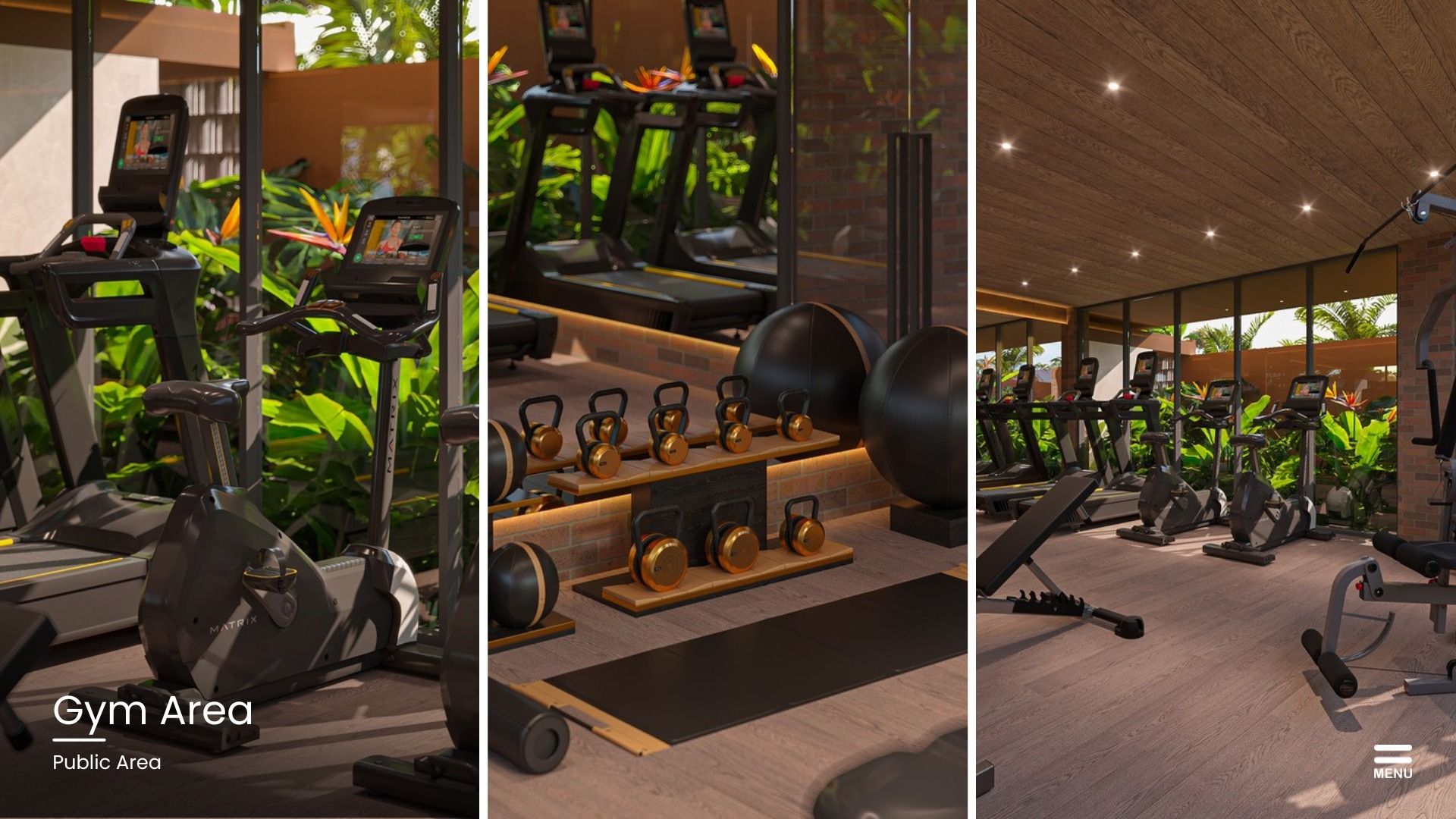
- Yoga, pilates and fitness. Studios and gyms cluster around Jl Danau Tamblingan and the streets running down to the beach. Classes aimed at older bodies, gentle flow, stretch, aqua aerobics, are easy to find. We list the options in our guide to sport for over-60s in Sanur.
- Cards, bridge and games. Bridge, mahjong and trivia circles rotate through cafés and hotel lounges. These are among the fastest ways to meet the long-term residents.
- Service clubs and volunteering. Rotary has a long-standing presence in the Sanur area, and volunteering options include dog and cat rescue charities, beach clean-ups, and English conversation practice with local students. Volunteering is permitted in a personal, unpaid capacity, though anything resembling employment is not allowed on a retirement visa.
- Culture and learning. Balinese cooking classes, painting workshops, gamelan and dance performances, and Bahasa Indonesia courses run year-round. The annual Sanur Village Festival adds a concentrated week of food, music and kite flying.
One honest caveat: specific groups form, rename and dissolve constantly. Treat any printed or online directory, including this one, as a starting point, and confirm current meeting times through local Facebook groups or by asking at your café of choice.
Where do people actually meet in Sanur?
Three places do most of the work: the beach promenade before 8am, the cafés along Jl Danau Tamblingan, and sunset beach bars on the sand. Turn up at any of them regularly and conversation finds you.
The morning promenade is the closest thing Sanur has to a village square. Between roughly 5.30am and 8am it fills with walkers, joggers, swimmers, dog owners and cyclists, most of them residents rather than tourists, watching the sun rise over Nusa Penida. Regulars greet each other by name within weeks.
Jl Danau Tamblingan, the main street running parallel to the beach, carries the café culture. Long-term residents tend to adopt one breakfast spot and appear there most days, which is exactly how newcomers get absorbed. The Sindhu market area adds a morning market rhythm, and the beachfront warungs and bars from Sanur Harbour down to Mertasari beach handle the sunset shift. For a feel of how these threads weave into an actual week, read a day in the life of a Sanur retiree.
How does Sanur compare with Canggu and Ubud for over-60s community?
Sanur is the strongest fit for over-60s because the community is age-matched, the terrain is flat and the meeting places are walkable. Canggu's scene is larger but built around digital nomads in their twenties and thirties, while Ubud's is spiritually inclined and spread across hilly terrain that requires transport.
| Factor | Sanur | Canggu | Ubud |
|---|---|---|---|
| Dominant expat age group | 50s to 70s | 20s to 30s | 30s to 50s |
| Community anchors | Promenade, cafés, clubs | Co-working spaces, gyms, beach clubs | Yoga studios, retreats, cafés |
| Walkability between venues | High, flat and car-free along the beach | Low, scooter culture dominates | Moderate centre, hilly surrounds |
| Noise and pace | Quiet evenings, early mornings | Nightlife-led, late and loud | Quiet but busy daytime traffic |
| Ease of joining at 60+ | Very easy, you are the core demographic | Harder, activities skew young | Moderate, wellness-focused |
None of this makes Canggu or Ubud wrong, they simply serve different residents. Surfers and night owls will find Sanur slow. The demographic split is covered in more depth in why European retirees choose Sanur over Canggu.
What is a realistic 90-day plan for plugging in?
Arrive, establish a visible routine, then add one scheduled activity per week. Residents consistently report that this simple pattern produces a working social circle within two to three months, without forcing anything.
- Weeks 1 to 2: be seen. Walk the promenade at the same time each morning. Pick one café for breakfast and become a regular. Join the main Sanur expat Facebook groups and simply read for a while.
- Weeks 3 to 6: join one thing. A walking group, a yoga class, a bridge table or a volunteer shift. One is enough. Accept every casual invitation that follows, even the ones that do not obviously appeal.
- Months 2 to 3: reciprocate. Host a coffee, organise a table at a warung, offer a skill. The people who settle fastest are the ones who move from attending to contributing.
The fear underneath the question, will I be lonely, deserves a straight answer. In Sanur, loneliness is a choice you would have to work at. The town is full of people who arrived alone at 62 knowing nobody, and the cost of the lifestyle around all this activity is modest: guides such as bali.com put a comfortable retired couple's budget in Sanur at roughly USD 2,350 to 3,450 per month in 2026, with much of the social calendar costing nothing at all.
Frequently asked questions
Do you need to speak Indonesian to join Sanur's expat community?
No. English is the working language of Sanur's expat groups, and most shopkeepers, drivers and clinic staff in the tourist and residential areas speak it well. That said, learning basic Bahasa Indonesia greetings and numbers is appreciated, and several groups in Sanur run informal language classes for exactly that reason.
Is Sanur's expat scene only for retirees?
No, but it skews older than anywhere else in Bali. You will also meet working professionals, hospital and hospitality staff, families with children at nearby international schools, and part-year residents. The centre of gravity, though, is people in their fifties, sixties and seventies, which is precisely why many retirees choose it.
How do people find out about events and groups in Sanur?
Mostly through Facebook community groups, WhatsApp chats and noticeboards in popular cafés. Groups form, rename and merge often, so search current Facebook groups for Sanur expats and ask other residents when you arrive rather than relying on any printed directory.
Is it easy to make friends in Sanur if you arrive on your own?
Easier than in most places, because so many residents arrived the same way and the daily rhythm creates repeat contact. Walking the promenade at the same hour, sitting at the same café and joining one scheduled activity a week is usually enough to build a circle within two to three months.
Sources
- BPS Bali (Badan Pusat Statistik Provinsi Bali), foreign visitor arrivals 2024 and 2025
- Government Regulation 41 of 2022, establishing the KEK Sanur health special economic zone
- bali.com, cost of living guides for retirees in Bali, 2026
- Sanur Village Festival, annual community festival programme