
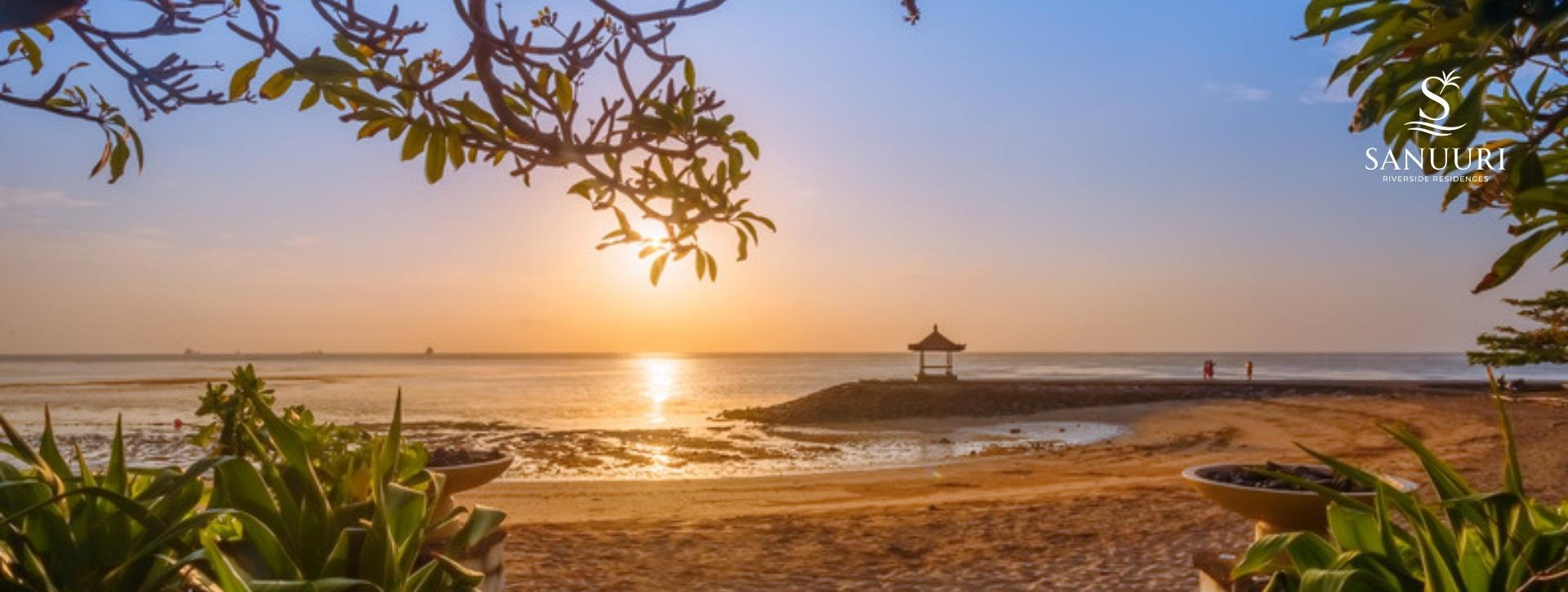
A retired day in Sanur runs on sunlight, not a schedule. It usually starts with sunrise on the 7 km car-free promenade before 7am, moves through café breakfasts, a swim or a class, a long warung lunch and an afternoon rest, and ends with drinks on the sand around 6pm. Nobody hurries.
Key takeaways
- Sanur faces east, so sunrise over Nusa Penida is the day's anchor and the promenade is busiest between 6am and 8am.
- Daily life happens on foot: beach, cafés, Sindhu market and Jl Danau Tamblingan sit within one flat, walkable triangle.
- Afternoons are for swims, naps, classes or day-trip planning; evenings are early, social and rarely loud.
- A comfortable retired couple's budget runs roughly USD 2,350 to 3,450 per month according to bali.com's 2026 guides, and the best parts of the day cost nothing.
- Healthcare sits in the background rather than on your mind: the Bali International Hospital has operated in Sanur since June 2025.
What does a Sanur morning look like?
Mornings start on the promenade. Sanur sits on Bali's east coast, so the sun rises out of the sea behind Nusa Penida somewhere around 6am to 6.30am, and the 7 km car-free path along the beach fills with walkers, cyclists, swimmers and dogs well before the heat arrives.
This is the hour when Sanur makes its argument. The sea inside the reef is flat and swimmable, fishermen push their painted jukung outriggers off the sand, and the same faces pass each other at the same points every day. Regulars nod, then greet, then stop to talk. Much of the town's social life is built on this repetition, which is why we call the promenade the village square in our guide to the Sanur beach promenade.
By 7.30am the walkers dissolve into the cafés. Breakfast might be at a beachfront table on the path itself or a block back on Jl Danau Tamblingan, the main street that runs parallel to the sea. Some retirees make this a daily fixture at one venue; others rotate. Either way, breakfast routinely stretches past 9am, because there is nowhere else anyone needs to be.
How do retirees spend the middle of the day?
Late morning is for errands, activities and appointments, all of which happen at walking pace. Lunch is typically local and cheap, followed by the retreat indoors that everyone in the tropics learns: the hours between 1pm and 4pm belong to shade, fans and, honestly, naps.
Errands here mean the Sindhu market area for fruit and flowers, a supermarket run, or the bank. Activity means a yoga or aqua class, a gym session, bridge, a volunteer shift or Bahasa Indonesia practice, and the range of options surprises most newcomers. We map them in our guide to Sanur's expat clubs and activities.
Lunch deserves its own sentence. A warung meal of grilled fish or nasi campur costs a fraction of what the same plate would at home, and eating this way most days is a large part of why guides such as bali.com put a comfortable couple's entire monthly budget at roughly USD 2,350 to 3,450 in 2026. Where residents actually eat, from warungs to date-night restaurants, is covered in our Sanur restaurant and café shortlist.
There is also a quieter thing that happens in the middle of a Sanur day: nothing. Reading on a shaded terrace, a swim before lunch, an hour watching the boats. Retirees who arrive from decades of schedules describe the absence of urgency as the single biggest lifestyle change, bigger than the weather.
What happens in the afternoon and evening?
The town wakes again around 4pm. The promenade refills for the cooler hours, the sea inside the reef turns glassy, and by 6pm residents are on the sand with a cold drink watching the light go orange behind the palms. Dinner is early, evenings are quiet, and most people are home by 9.30pm.
Afternoons are also when plans get made. Sanur Harbour, at the northern end of town, runs fast boats to Nusa Penida and Nusa Lembongan, so day trips with visiting family are simple to organise. Golfers head out when the heat drops, swimmers do laps, and the walking groups do their second circuit.
Evenings are the part that divides people. There are beach bars with live acoustic music, long dinners on Jl Danau Tamblingan and a cinema-and-mall run at Icon Mall ten minutes away, but there are no nightclubs and nothing that could honestly be called a scene. For most retirees that is exactly the point. For anyone wanting beach clubs and 2am energy, Sanur will feel sleepy, and Canggu or Seminyak would be a better fit. We say so plainly because trust matters more than a sale.
One background fact changes how relaxed this whole rhythm feels. The Bali International Hospital opened in Sanur on 25 June 2025, inaugurated by President Prabowo, inside the KEK Sanur health special economic zone established under Government Regulation 41 of 2022. Serious healthcare is now minutes away rather than a drive across the island, and for people in their sixties and seventies that quietly removes the biggest source of tropical-retirement anxiety.
What does a typical day actually look like, hour by hour?
No two residents keep the same diary, but two patterns cover most days: a quiet day built on routine, and a social day built around people. Most weeks mix both. The table below shows how each tends to run.
| Time | A quiet day | A social day |
|---|---|---|
| 6.00 to 7.30am | Sunrise walk on the promenade, swim inside the reef | Walking group circuit, coffee with the regulars |
| 7.30 to 9.30am | Long breakfast with a book on Jl Danau Tamblingan | Café breakfast with friends, market run at Sindhu |
| 10am to 1pm | Errands on foot, gym or pool, reading | Yoga or aqua class, bridge table, volunteer shift |
| 1 to 4pm | Warung lunch, then shade, fan and a nap | Lunch out, then home before the hottest hours |
| 4 to 6pm | Second walk or swim as the heat drops | Golf, cycling or promenade circuit with company |
| 6 to 9.30pm | Sunset from the sand, simple dinner, early night | Beach-bar drinks, dinner with friends, live music |
Notice what is missing: driving. Nearly everything above happens on foot, and the gaps are filled by Grab and Gojek rides or a regular driver, which is why so many residents never touch a scooter. We cover that in getting around Sanur without a scooter.
Is this life realistic on an ordinary retirement budget?
Yes. The daily rhythm described here, promenade, cafés, warung lunches, classes and sunset drinks, fits comfortably inside the USD 2,350 to 3,450 per month that bali.com's 2026 guides estimate for a comfortable retired couple in Sanur, with a premium version running USD 4,000 to 6,000.
It helps that the headline activities are free. The sunrise, the 7 km promenade, the swimming and the sunset cost nothing, and the paid layers, coffee, meals, classes, rides, are cheap by Australian or European standards. Bali's pull is not a secret, BPS Bali counted 6.9 million foreign arrivals in 2025, up 9.7% on 2024, yet Sanur's costs remain modest compared with the island's flashier coasts. For the full line-item numbers, see our cost of living breakdown for a retired couple in Sanur.
The honest caveats: the wet season (roughly November to March) trades some of those golden mornings for humid grey ones, the promenade gets busy with tourists in peak weeks, and Sanur's calm can read as dull until your body adjusts to it. Most residents say the adjustment takes about a fortnight. After that, the 6am light does the convincing.
Frequently asked questions
Is Sanur too quiet for an active retiree?
It depends what you mean by active. Sanur is quiet after 10pm, but the days are full: walking, cycling, swimming, classes, clubs and day trips from Sanur Harbour. If your definition of active is nightlife and beach clubs, Canggu or Seminyak will suit you better.
Do retirees in Sanur need a car or scooter?
Most do not. Daily life happens within a flat, walkable triangle of beach, main street and market, and Grab and Gojek ride apps cover everything further out for a few dollars. Many residents also hire a regular driver for airport runs and bigger shopping trips.
What time do people get up in Sanur?
Early. Sanur faces east, so sunrise between roughly 6am and 6.30am is the day's main event, and the promenade is busiest before 8am when the air is coolest. Most retirees adjust within a week or two and find the early rhythm one of the things they love.
What does a day like this cost?
Less than most visitors expect. Guides such as bali.com put a comfortable retired couple's total monthly budget in Sanur at roughly USD 2,350 to 3,450 in 2026, which covers housing, food, transport and leisure. The promenade, the beach and the sunrise are free.
Sources
- BPS Bali (Badan Pusat Statistik Provinsi Bali), foreign visitor arrivals 2024 and 2025
- bali.com, cost of living guides for retirees in Bali, 2026
- Government Regulation 41 of 2022, establishing the KEK Sanur health special economic zone
- Bali International Hospital, opened in Sanur 25 June 2025