
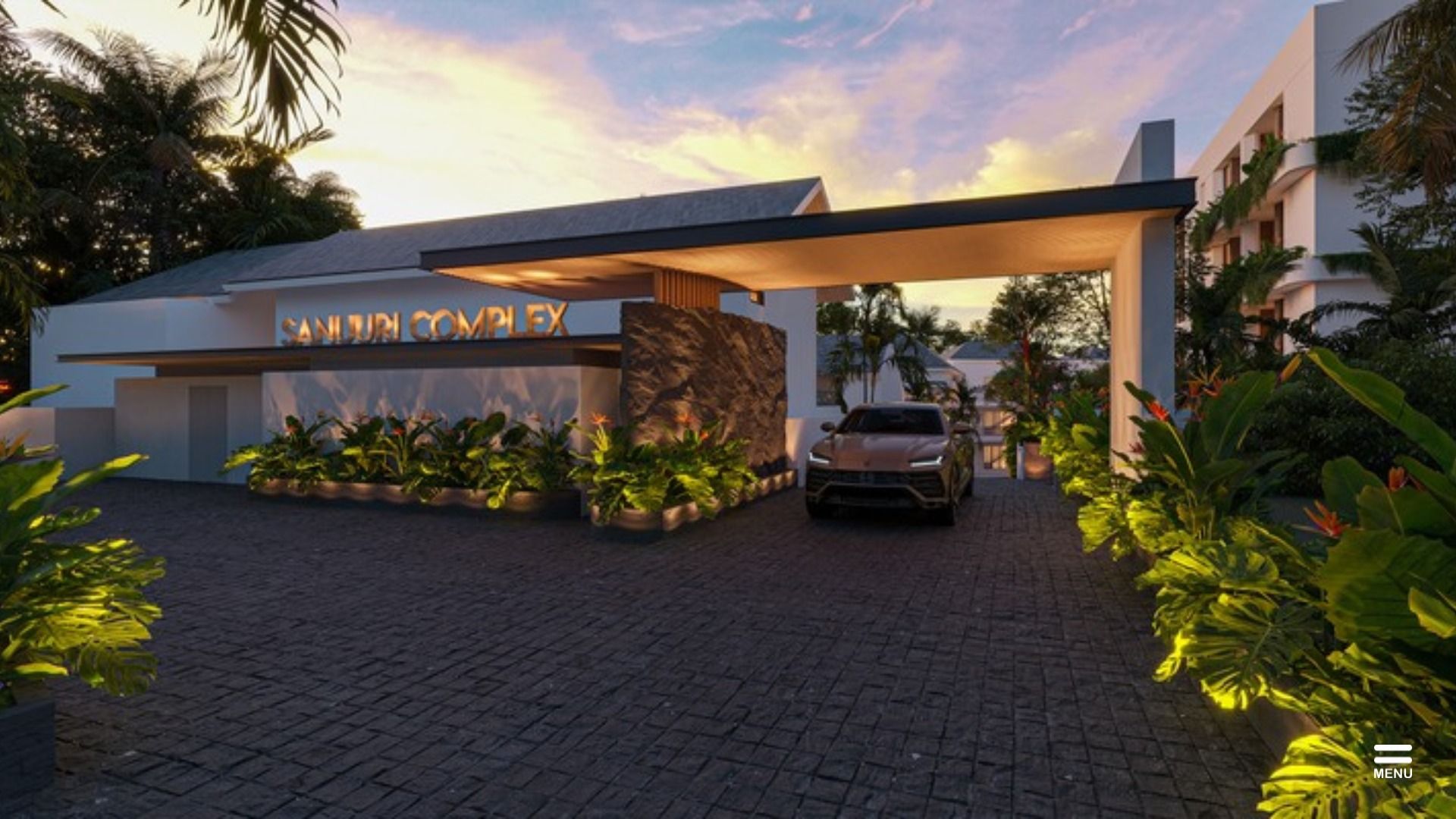
Buying Bali property through a self-managed super fund is technically conceivable but impractical for almost everyone. The sole-purpose test means neither you nor your family can ever use the property while your fund holds it, related-party rules add further traps, and Indonesian leasehold title fits poorly with Australian trustee requirements. Most buyers purchase personally instead.
Key takeaways
- The sole-purpose test in section 62 of the SIS Act bars any present-day personal benefit, so you could never stay in a villa your SMSF owns.
- Related-party rules mean your spouse, children and relatives are locked out too, even at full market rent.
- Indonesian leasehold is a personal contractual right, which sits awkwardly with the requirement that fund assets be clearly held by the trustee.
- A non-complying fund loses concessional treatment and is taxed at 45 per cent, per ATO guidance.
- The clean alternative is simple: buy in your own name with after-tax money, which is how the vast majority of Australians in Bali actually do it.
Can an SMSF legally buy property in Bali?
In narrow theory yes, in sensible practice no. Australian superannuation law contains no outright ban on overseas real estate, but an SMSF buying a Bali villa must clear the sole-purpose test, the related-party rules, strict ownership and audit evidence requirements, and Indonesian title law all at once. Very few arrangements survive that gauntlet, which is why we tell buyers not to try.
We are a Bali developer. It would be commercially convenient for us to tell Australians their super balance is a ready-made deposit for a villa in Sanur. We do not, because the structure defeats the point. The typical plan runs: use the fund to buy the villa, rent it out until retirement, then enjoy it. Australian super law breaks that plan at the second comma, and the Indonesian side breaks what is left. Demand for the island itself is not the issue. BPS Bali counted around 1.63 million Australian arrivals in 2025, the largest source market of any country. The issue is purely the vehicle.
What is the sole-purpose test and why does Bali fail it?
The sole-purpose test, set out in section 62 of the Superannuation Industry (Supervision) Act 1993, requires an SMSF to be maintained solely to provide retirement benefits to its members. According to the ATO's guidance, obtaining a present-day benefit from a fund asset, such as holidaying in a villa the fund owns, points to a breach. The villa you plan to enjoy is precisely the benefit the law prohibits.
This is not a technicality you can manage around. One week's stay can taint the arrangement. Offering to pay the fund full market rent for that week does not cure it, because for residential property the prohibition on member use is not softened by commercial terms. So the honest question becomes: why would you buy a home two minutes from Sanur beach that you are legally forbidden from sleeping in? If the answer is "pure investment", keep reading, because the pure-investment version has its own problems.
Why do related-party rules block the family villa plan?
Related-party rules extend the lockout beyond you. Your spouse, children, parents and other relatives cannot use residential property held by your SMSF either, and the in-house asset rules cap dealings with related parties at 5 per cent of fund assets. The fallback idea, "my daughter can use it and pay rent", fails just as the personal-use idea does.
People sometimes propose renting the villa to a friend who then hosts the family. Auditors and the ATO have seen every version of this. Arrangements designed to deliver indirect member benefits are treated as what they are, and your fund auditor must report contraventions. An SMSF is one of the most closely audited structures in Australian finance, audited every single year, which is exactly the wrong wrapper for an informal holiday-home plan.
What are the practical barriers even if you never set foot in it?
Even as a pure hands-off investment, the structure struggles. Foreigners cannot own Indonesian freehold, so the realistic entry is leasehold, which is a personal contractual right rather than a registered title an Australian trustee can plainly hold. Your fund auditor needs clear evidence each year that the asset belongs to the fund, is valued at market, and is insured, all of which is awkward to document from 4,600 kilometres away.
Add the rest of the friction. Limited recourse borrowing arrangements are effectively unavailable for foreign leasehold, so the fund pays cash. Entry-level Sanur leaseholds start around USD 175,000 in July 2026 listings, which concentrates a large slice of your retirement savings in one illiquid, unlisted, foreign-currency asset. Rental income earned by a non-resident owner faces Indonesia's 20 per cent final withholding tax on gross rent, per PwC's Indonesia tax summaries, before Australian compliance costs. None of this is fatal for a personal buyer. Inside a regulated super fund, every item is a compliance question with an annual audit attached. Our guide to buying property in Bali as a foreigner covers how the ownership structures actually work.
| Factor | Through an SMSF | In your own name |
|---|---|---|
| Can you stay in it | No, prohibited by the sole-purpose test | Yes, whenever you like |
| Can family use it | No, related-party rules apply | Yes |
| Fit with Indonesian leasehold | Poor, contractual right is hard to hold and audit as a fund asset | Standard, lease deed in your name before a notary |
| Borrowing | Effectively unavailable for foreign leasehold | Usually cash or developer payment plans |
| Ongoing compliance | Annual audit, market valuations, ownership evidence, trustee duties | Normal ownership admin only |
| Penalty exposure | Fund can be made non-complying and taxed at 45 per cent | None specific to the structure |
What happens if you get it wrong?
The downside is severe. According to the ATO, a fund that breaches the rules can be declared non-complying, which strips its concessional tax treatment and taxes it at 45 per cent, and trustees can face administrative penalties and disqualification. A single ill-conceived villa purchase can cost a meaningful share of everything else in the fund.
That asymmetry is the heart of our position. The best case is an awkward, expensive, audit-heavy way to hold an asset you cannot use. The worst case is losing close to half the fund. No Sanur rental yield compensates for that risk profile, and any promoter who waves the compliance issues away is telling you something important about their other advice.
What should you do instead?
Buy personally, outside super. Once you have met a condition of release, typically turning 60 and retiring, you can generally withdraw superannuation as a lump sum and purchase a Bali leasehold in your own name, with no sole-purpose test attached to your life afterwards. Confirm the withdrawal tax treatment for your situation with a licensed adviser before acting.
A personal purchase is the normal route, and it is straightforward. Australians can buy property in Bali through a long leasehold held in their own name, signed before an Indonesian notary. Many retirees fund it by selling or downsizing the family home rather than touching super at all, and the difference between leasehold and freehold in Bali matters far more to your outcome than any super structuring. At Sanuuri Residences in Sanur we sell fully furnished apartments, lofts and pool villas on a 50-year leasehold, materially longer than the 25 to 30 years typical in Sanur, held directly in the buyer's name. You can use it, your grandchildren can use it, and nobody audits your holidays.
Frequently asked questions
Is it illegal for an SMSF to own overseas property?
No. Australian superannuation law contains no blanket ban on overseas real estate. The problem is practical: the sole-purpose test, related-party rules, trustee ownership requirements and annual audit evidence are extremely hard to satisfy with Indonesian leasehold property, so very few arrangements are workable in practice.
Can I stay in a Bali property owned by my SMSF?
No. Residential property held by an SMSF cannot be used by fund members or their relatives, even for a short stay and even if you pay full market rent. Personal use of a fund asset is exactly the kind of present-day benefit the sole-purpose test prohibits.
Can my SMSF lend me money to buy a villa in Bali?
No. Superannuation law prohibits an SMSF from lending money or providing financial assistance to members or their relatives. Using fund money to help you buy a personal Bali property, directly or indirectly, is a breach that can make the fund non-complying.
What is the simplest compliant way for an Australian to buy in Bali?
Buy personally, outside super, with after-tax money. The standard route is a long leasehold held in your own name under a notarised lease deed. Once you have met a condition of release, such as turning 60 and retiring, you can generally withdraw super as a lump sum and buy in your own name. Confirm the details with a licensed financial adviser first.
Sources
- Australian Taxation Office, sole-purpose test and SMSF compliance guidance, ato.gov.au, 2026
- Superannuation Industry (Supervision) Act 1993 (Cth), section 62
- PwC, Indonesia tax summaries, 2026
- BPS Bali (Statistics Indonesia, Bali Province), foreign visitor arrivals, 2025
- Sanur property listings survey, July 2026