
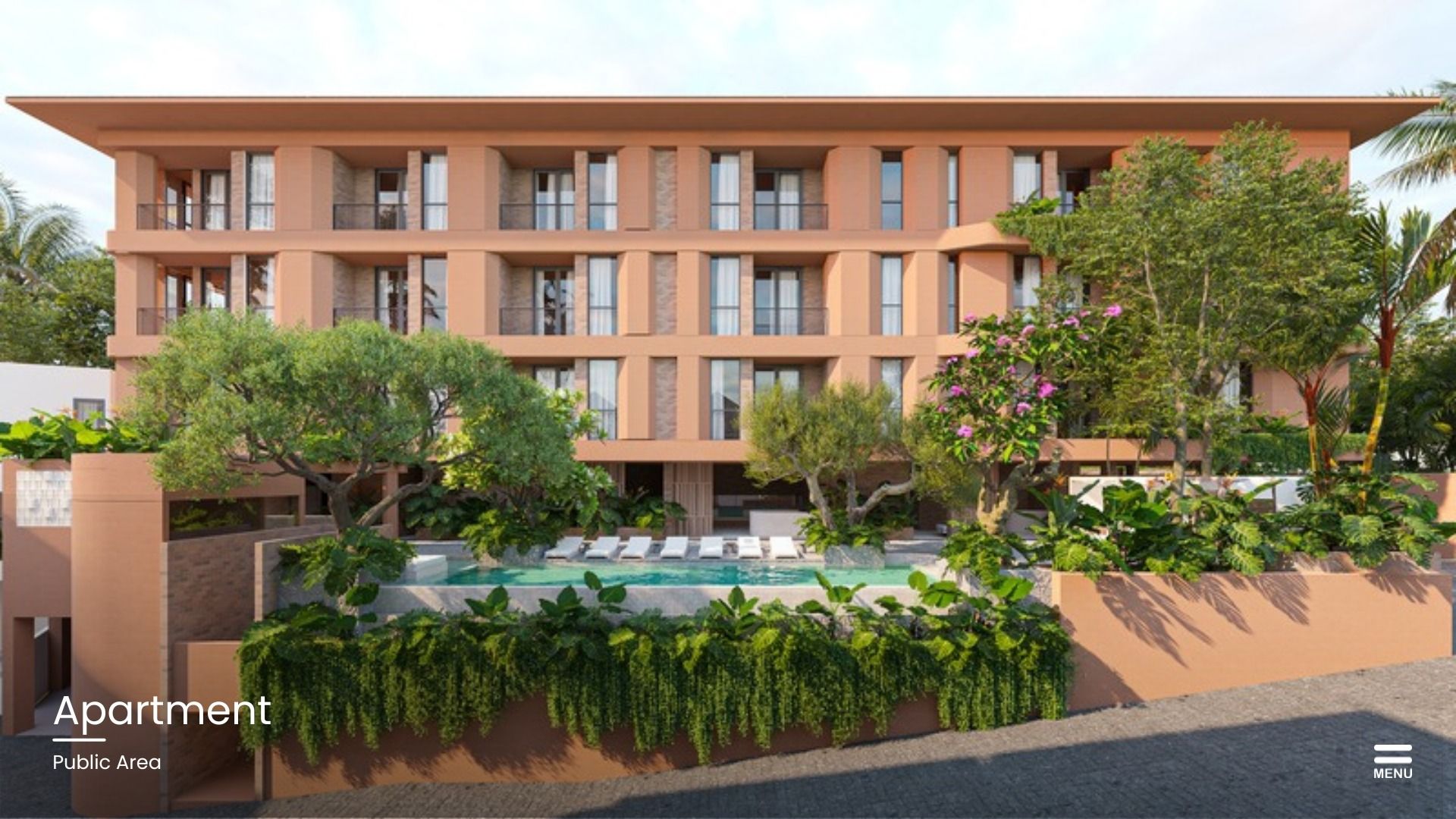
Yes, Australians can buy property in Bali, but not freehold. Indonesian law reserves freehold (Hak Milik) for citizens. Australians buy through three legitimate structures: a long leasehold (the standard route), a Hak Pakai title for residence-permit holders, or a PT PMA company for rental businesses. Nominee arrangements are illegal and unenforceable.
Key takeaways
- Freehold is off the table, but leasehold, Hak Pakai and PT PMA structures are all legal and widely used.
- Leasehold is the normal route: no visa required, terms in Sanur typically run 25 to 30 years, and Sanuuri offers 50.
- Sanur freehold villas near the beach run roughly USD 300,000 to 800,000, with leasehold entries from about USD 175,000, around AUD 270,000 at 65 US cents.
- Buyers pay a 5 per cent BPHTB transfer tax on assessed value, and new builds carry VAT of around 11 to 12 per cent, per PwC's Indonesia tax summaries.
- Never use a nominee. An Indonesian citizen "holding" freehold for you has the law entirely on their side, not yours.
Can Australians legally buy property in Bali?
Yes, with the right structure. Indonesia's Basic Agrarian Law restricts freehold ownership to Indonesian citizens, so an Australian passport holder cannot be registered on a Hak Milik title. What Australians can do, entirely legally, is hold a long lease over land and buildings, hold a Hak Pakai (Right to Use) title as a residence-permit holder, or own through a foreign-investment company.
This is a well-trodden path, not a loophole. Australians are Bali's largest visitor group by a wide margin, with around 1.63 million arrivals in 2025 according to BPS Bali, and thousands have bought homes on the island through these structures. The buyers who get into trouble are almost always the ones who tried to shortcut the system, usually through a nominee, or who skipped basic checks. Our full guide to buying property in Bali as a foreigner walks through the entire process step by step.
What ownership structures can Australians actually use?
There are three legitimate routes. Leasehold (Hak Sewa) is a contractual right to the property for a fixed term and is the standard choice for lifestyle buyers, needing no visa at all. Hak Pakai is a registered Right to Use title available to individuals holding a KITAS or KITAP residence permit, granted for 30 years and extendable to 80 in total. A PT PMA, a foreign-owned Indonesian company, can hold a Right to Build (HGB) title for up to around 80 years and suits owners running a genuine rental business.
Which one fits depends on how you will use the property. A retired couple buying a home to live in usually wants leasehold for its simplicity, or Hak Pakai if they hold a retirement KITAS and want a registered title, which is also the route for strata apartments. Investors operating several villas commercially lean towards the PT PMA. The differences are explained plainly in our comparison of leasehold versus freehold in Bali.
| Structure | What it is | Typical term | Visa required | Best suited to |
|---|---|---|---|---|
| Leasehold (Hak Sewa) | Contractual right to the property, notarised lease deed | 25 to 30 years in Sanur, negotiated extensions; Sanuuri offers 50 | None | Lifestyle buyers and most retirees |
| Hak Pakai (Right to Use) | Registered title in your own name | 30 years, extendable to 80 total (30+20+30) | KITAS or KITAP | Residents wanting a registered title, strata apartments |
| PT PMA holding HGB | Foreign-owned company holds a Right to Build title | Up to around 80 years | None to own; investor permits available | Owners running a rental business at scale |
How much does Bali property cost in Australian dollars?
Sanur freehold villas near the beach run roughly USD 300,000 to 800,000 in July 2026 listings, with leasehold entry points from about USD 175,000. At an exchange rate of around 65 US cents to the Australian dollar, that is very roughly AUD 460,000 to 1.23 million for freehold-market stock and from about AUD 270,000 for leasehold, a fraction of a beachside price in most Australian capitals.
Remember that leasehold pricing reflects the term: a 25-year lease and a 50-year lease on similar villas are very different assets, so compare on price per year of tenure, not headline price alone. Budget for transaction costs on top, covered below, and treat advertised rental returns with care. Agents advertise 7 to 10 per cent gross yields for well-located Sanur villas; treat gross figures with caution and model net after management, tax, maintenance and empty weeks.
Why are nominee arrangements a trap?
A nominee arrangement, where an Indonesian citizen holds freehold title "on your behalf", is illegal and unenforceable in Indonesia. If the relationship sours, the registered owner owns the property, and Indonesian courts have consistently declined to protect foreign buyers in these disputes. You would have paid full price for an asset you cannot enforce any right over.
This matters because nominee deals are still openly promoted to Australians, often described as "the way everyone does it" and sometimes dressed up with side agreements, powers of attorney and loan documents. None of that paperwork overrides the law that put the citizen's name on the title. Every legitimate professional in the market, including every serious explainer on foreign ownership in Indonesia, will tell you the same thing: if the structure depends on someone else's name on a freehold certificate, walk away.
What taxes and costs apply when Australians buy?
Per PwC's Indonesia tax summaries, the buyer pays BPHTB transfer tax of 5 per cent of the assessed value on title transfers, the seller pays 2.5 per cent final income tax, and new builds bought from developers attract VAT of around 11 to 12 per cent. Annual land and building tax (PBB) is small, effectively around 0.1 to 0.3 per cent of assessed value.
On top of tax, allow for notary and legal fees, and the foreign-exchange spread on moving Australian dollars into rupiah or US dollars. If you later rent the property out as a non-resident, Indonesian tax law applies a 20 per cent final withholding tax on gross rent, reduced to 10 per cent for tax residents who spend 183 days or more in the country. Factor these into any yield calculation before you buy rather than after.
What red flags should Australian buyers watch for?
The big five: nominee structures, leases with no written extension terms, sellers who cannot produce the underlying land certificate, missing building permits, and "guaranteed" double-digit yields. Each one is either illegal, unpriceable or unverifiable, and each has a long record of parting Australians from their money.
The defence is boring and effective. Insist on seeing the land title and permits, use an independent notary (PPAT) rather than the seller's, have the lease deed reviewed before signing anything, and check the developer's delivery record if buying off-plan. A serious seller will welcome the scrutiny. At Sanuuri Residences in Sanur, a two-minute walk from the beach, we structured the offer around exactly these concerns: a 50-year leasehold held directly in the buyer's name, materially longer than the Sanur norm of 25 to 30 years, with fully furnished handover and rental management by Investland Bali for owners who want income while away.
Frequently asked questions
Can Australians own freehold property in Bali?
No. Freehold title (Hak Milik) is reserved for Indonesian citizens. Australians buy through a long leasehold, a Hak Pakai (Right to Use) title if they hold a KITAS or KITAP residence permit, or a PT PMA foreign-owned company holding a Right to Build title for rental businesses.
Is leasehold property in Bali safe to buy?
Leasehold is the standard, legally recognised route for foreign buyers, and it is as safe as the contract and the checks behind it. Safety comes from verifying the underlying land title, having the lease deed notarised, and negotiating clear extension terms. Skipping due diligence, not the leasehold structure itself, is what causes losses.
Can an Australian get a mortgage to buy in Bali?
Generally no. Indonesian banks do not ordinarily lend to non-resident foreigners for property purchases, so most Australians buy with cash, equity released from Australian property, or a developer payment plan spread across construction milestones.
Do I need a visa to buy property in Bali?
Not for leasehold. A lease is a contract and requires no residence permit at all. A Hak Pakai title, by contrast, requires you to hold a KITAS or KITAP residence permit, and property worth USD 1 million or more under Hak Pakai can substitute the bank deposit for the E33 Second Home Visa.
Sources
- Law No. 5 of 1960 (Basic Agrarian Law), Republic of Indonesia
- PwC, Indonesia tax summaries, 2026
- BPS Bali (Statistics Indonesia, Bali Province), foreign visitor arrivals, 2025
- Sanur property listings survey, July 2026