
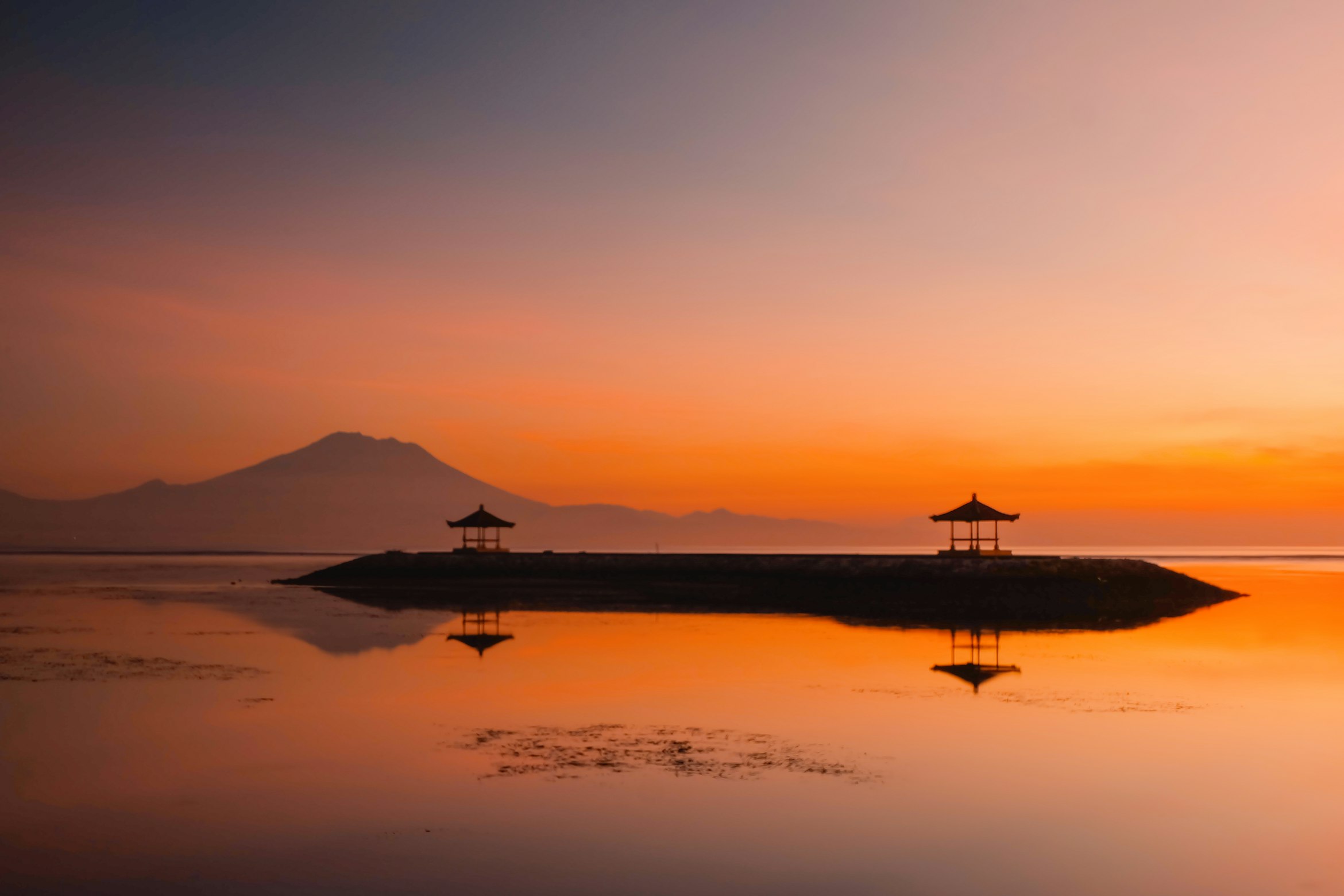
Sanur is a calm, flat beach town on Bali's east coast, built around a 7 km car-free promenade, a settled expat community and, since 25 June 2025, the Bali International Hospital. It suits retirees, families and long-stay residents who value walkability and services over nightlife. This guide covers the town area by area.
Key takeaways
- Sanur is Bali's most walkable town: flat terrain, a 7 km car-free beach promenade and short distances to everything daily life needs.
- The Bali International Hospital opened in Sanur on 25 June 2025, inside Indonesia's first health special economic zone.
- Four distinct pockets: North Sanur, Sindhu, the Batu Jimbar and Tamblingan corridor, and quieter South Sanur around Mertasari.
- A retired couple lives comfortably on roughly USD 2,350 to 3,450 a month, per bali.com's 2026 cost guide.
- Foreigners rent freely and buy through leasehold; Sanur leases typically run 25 to 30 years, with a few developments offering longer terms.
What is Sanur actually like to live in?
Sanur is a residential town first and a tourist stop second. Mornings start early on the promenade, the sea is calm behind a reef, and the pace is set by people who live here year-round rather than by weekend crowds. It is the opposite of Canggu's construction noise and scooter traffic.
The town runs north to south along the coast, with the Ngurah Rai Bypass marking its inland edge. Between the bypass and the beach sits a grid of quiet lanes, warungs, cafés, galleries and guesthouses that has grown gradually since the 1960s, when Sanur hosted Bali's first beach hotels. That long history shows: mature trees, established businesses, and a Balinese community that has decades of practice living alongside foreigners. Demand keeps rising with the island's recovery. BPS Bali recorded 6.9 million foreign arrivals in 2025, up 9.7 percent on 6.33 million in 2024, and Australians led with roughly 1.63 million visits. The full guide to the beach promenade explains the single feature that shapes daily life here more than any other.
Which part of Sanur should you live in?
Sanur divides into four pockets: North Sanur near Matahari Terbit, Sindhu around the market and night market, the central Batu Jimbar and Jalan Danau Tamblingan corridor, and South Sanur around Semawang and Mertasari. Central Sanur suits people who want to walk to everything; the south trades a little convenience for more space and quiet.
| Area | Character | Best for | Trade-off |
|---|---|---|---|
| North Sanur (Matahari Terbit, Jalan Hang Tuah) | Closest to the KEK Sanur health zone and the Bali International Hospital; quieter beach, ferry traffic to Nusa Penida | Medical proximity, value hunters | Fewer restaurants within walking distance |
| Sindhu | Market life, the Sindhu night market, dense café strip, mid-promenade position | People who want daily life on foot | Busier lanes in high season |
| Batu Jimbar and Jalan Danau Tamblingan | The main street: restaurants, clinics, notaries, boutiques, organic market at Batu Jimbar | First-time residents, walkers, café regulars | Traffic on Tamblingan itself at peak hours |
| South Sanur (Semawang, Mertasari) | Wider plots, calmer streets, Mertasari's open beach park, close to the ICON mall | Families, space seekers, longer-term villas | A short cycle rather than a stroll to the centre |
Most newcomers rent for six to twelve months in central Sanur, then commit once they know which pocket fits their routine. Sanuuri Residences sits two minutes' walk from the beach and promenade, with the supermarket six minutes away and Sanur Harbour ten, which is the kind of positioning worth checking on foot before you sign anything, anywhere in town.
How do you get around Sanur without a car?
Mostly on foot or by bicycle. The town is flat, distances are short, and the promenade doubles as a traffic-free commuting route along the entire seafront. For anything further, Grab and Gojek cars arrive within minutes, and a private driver for day trips is easy to arrange.
This matters more than it sounds. Much of Bali effectively requires a scooter, which is exactly what many people over 60, and plenty under it, do not want. In Sanur you can live well without ever riding one. The airport is roughly 25 minutes by car via the Bali Mandara toll road, and Sanur Harbour runs fast boats to Nusa Penida and Nusa Lembongan for visiting family. Cyclists use the promenade early, then loop inland through the rice-field lanes towards the bypass underpasses.
What healthcare does Sanur have?
Sanur has become Bali's healthcare centre. The Bali International Hospital opened here on 25 June 2025, inaugurated by President Prabowo, inside KEK Sanur, Indonesia's first health special economic zone. Established hospitals such as Siloam Hospital Bali in Kuta, which is JCI-accredited, and BIMC in Kuta and Nusa Dua remain within 30 to 45 minutes.
KEK Sanur covers 41.26 hectares with roughly USD 620 million in projected investment under Government Regulation 41 of 2022, so the hospital is the first phase of a larger medical district rather than a one-off building. Day to day, residents use the general practice clinics and pharmacies along Jalan Danau Tamblingan for routine matters and the hospitals for anything serious. The full picture, including clinics, dentists and how insurance fits, is in our guide to healthcare in Sanur.
What does it cost to live in Sanur?
A retired couple lives comfortably in Sanur on roughly USD 2,350 to 3,450 a month according to bali.com's 2026 cost-of-living guide, with a premium lifestyle running USD 4,000 to 6,000. Singles and modest budgets come in lower; rent is the biggest variable.
Those figures cover housing, utilities, groceries, eating out several times a week, transport, health insurance and help at home. Sanur is not Bali's cheapest address, but the gap against inland towns is smaller than most people expect, and the gap against coastal Australia or Western Europe is dramatic. We break the numbers down line by line, with modest, comfortable and premium tiers, in the cost of living in Sanur for a retired couple.
Can foreigners rent or buy property in Sanur?
Renting is straightforward: villas and apartments lease by the month or year with no restrictions. Buying works through leasehold (Hak Sewa), the standard route for foreigners in Indonesia, or through Hak Pakai title for KITAS holders. Foreigners cannot own freehold, and nominee arrangements are illegal and unenforceable, so walk away from anyone proposing one.
Typical Sanur leasehold terms run 25 to 30 years with negotiated extension options; a small number of developments offer longer terms, and Sanuuri Residences' 50-year leasehold is materially longer than the Sanur norm. On price, July 2026 listings put Sanur freehold villas near the beach at roughly USD 300,000 to 800,000, with leasehold entries from about USD 175,000. Agents advertise 7 to 10 percent gross yields for well-located Sanur villas; treat gross figures with caution and model net before relying on them.
What is Sanur's expat community like?
Established, older on average, and easy to join. Sanur's foreign community goes back decades and organises itself around walking groups, cycling clubs, bridge, yoga studios, volunteering and the bars and cafés along Tamblingan. Australians are the largest group, with strong Dutch, German, British and French contingents.
Because so many residents are here permanently rather than for a season, friendships form faster than in transient areas. Newcomers typically plug in within weeks through one or two regular activities. The community is also honest with itself about who the town suits, which is why our straight answer to whether Sanur is a good place to retire includes the cases where it is not.
What are the downsides of living in Sanur?
Sanur is quiet by design, and that cuts both ways. Nightlife is limited to relaxed bars and live music that winds down early. The reef-protected sea is calm but shallow at low tide, so it is a swimming and paddling beach, not a surf beach. And the wet season, roughly November to March, brings heavy afternoon rain.
Add the practical irritations: traffic on the bypass at rush hour, occasional flooding in the lowest lanes after storms, and rising prices as the hospital district draws attention. None of these are dealbreakers for the people Sanur suits, but if you want big waves, big clubs or the newest scene on the island, you will be happier elsewhere, and it is better to know that before you commit.
Frequently asked questions
Is Sanur expensive to live in?
By Bali standards Sanur sits in the middle. A retired couple lives comfortably on roughly USD 2,350 to 3,450 a month according to bali.com's 2026 guide, which is more than inland towns but well below Seminyak beachfront living and far below coastal Australia or Western Europe.
How far is Sanur from the airport?
Ngurah Rai International Airport is roughly 25 minutes by car from Sanur via the Bali Mandara toll road in normal traffic. That is one of the shortest airport runs of any expat area in Bali, which matters for visitors and for part-year residents who fly often.
Does Sanur have good hospitals?
Yes. The Bali International Hospital opened in Sanur on 25 June 2025 inside the KEK Sanur health zone, and established options such as Siloam Hospital Bali in Kuta, which is JCI-accredited, and BIMC are 30 to 45 minutes away. Sanur now has the strongest hospital access of any residential area on the island.
Is Sanur only for retirees?
No, but it skews older and quieter. Families choose it for Bali Island School and the safe, flat streets, and long-stay professionals rent here for the calm. If your priority is nightlife, surf or a young digital-nomad scene, Canggu or Uluwatu will fit better.
Sources
- BPS Bali (Badan Pusat Statistik Provinsi Bali), foreign arrival statistics, 2024 and 2025
- Government Regulation 41 of 2022 establishing KEK Sanur
- bali.com, Bali cost of living guide, 2026
- Sanur property listings survey, July 2026